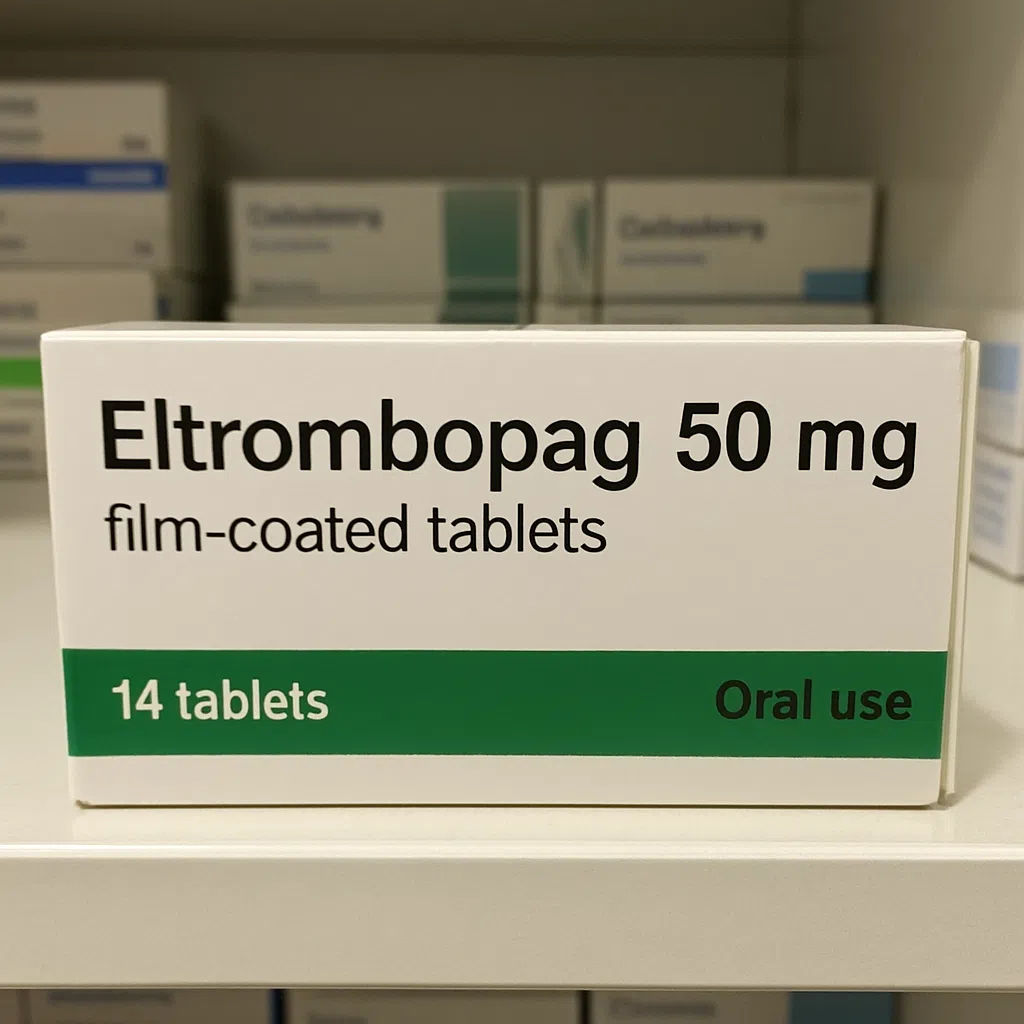
Description
Is Rematib 15 mg right for your situation?
Review these criteria with your doctor before enquiring- ✓Moderate-to-severe active rheumatoid arthritis, psoriatic arthritis, or ankylosing spondylitis with inadequate response to prior therapies
- ✓Moderate-to-severe atopic dermatitis in adults or adolescents 12+ uncontrolled by topical therapy
- ✓Moderate-to-severe active ulcerative colitis
- ✓Need a generic alternative to Rinvoq® (AbbVie)
- ✗Active serious infection (including tuberculosis) — screening mandatory before starting
- ✗History of venous thromboembolism or major cardiovascular events
- ✗Pregnant or planning pregnancy
- ✗Age 50+ with cardiovascular risk factors — requires careful benefit/risk discussion with your doctor
Check Availability & Pricing
Prescription required · Named Patient Program · Worldwide shipping
🛡 WHO-GMP Certified · Prescription verified · Express dispatch
What is Rematib 15 mg?
Rematib 15 mg is a generic extended-release formulation of Upadacitinib — a selective JAK-1 inhibitor — manufactured by Drug International Ltd. under WHO-GMP certified conditions in Bangladesh. Each tablet contains 15 mg of upadacitinib in an extended-release formulation, the same active molecule found in Rinvoq® (AbbVie), and is dispensed under the Named Patient Program for patients requiring an affordable, quality-assured alternative.
Upadacitinib is a small molecule generic — not a biosimilar. Unlike biologics, it does not require injection and does not trigger immune responses related to protein-based medicine.
| Generic name | Upadacitinib |
| Reference brand | Rinvoq® (AbbVie) |
| Manufacturer | Drug International Ltd. |
| Standard | WHO-GMP Certified |
| Drug class | JAK-1 Selective Inhibitor |
| Dosage form | Extended-release tablet — 15 mg |
| Pack size | 30 tablets per pack |
| Route | Oral · once daily, with or without food |
| Prescription | Required — physician only |
How Upadacitinib Works
In autoimmune conditions like rheumatoid arthritis, psoriatic arthritis, ankylosing spondylitis, and atopic dermatitis, an overactive Janus kinase (JAK) signalling pathway drives chronic inflammation, causing joint damage, skin inflammation, and systemic symptoms.
What to Expect: First 30 Days
Upadacitinib typically shows faster onset than biologics — many patients notice symptomatic improvement within the first 2–4 weeks.
- Before starting: TB screening, blood counts, liver function, and lipid panel are required. Live vaccines must be completed before initiating therapy.
- Weeks 1–2: Many patients notice early reduction in joint pain, stiffness, and skin symptoms within the first 1–2 weeks. This faster onset is one of the practical advantages of JAK inhibitors over biologics.
- Weeks 3–4: Blood counts and lipid levels are rechecked. Your doctor will assess response and confirm continued treatment is appropriate. Full response assessment is typically conducted at 12 weeks.
Side Effects
JAK inhibitors as a class carry important boxed warnings around infection, malignancy, cardiovascular events, and thrombosis that require patient awareness and monitoring.
Common · Usually Manageable
- Upper respiratory tract infections
- Nausea
- Headache
- Acne / folliculitis
- Elevated cholesterol (LDL)
- Herpes zoster reactivation
Serious · Report Immediately
- Serious infections (including opportunistic)
- Venous thromboembolism (DVT/PE)
- Major cardiovascular events (MACE)
- Malignancy (lymphoma, other cancers)
- Hepatotoxicity
- Fever, chills, or signs of serious infection
- Sudden leg swelling/pain, chest pain, or breathlessness (possible clot)
- Yellowing of skin or eyes (possible liver injury)
How to Take Rematib 15 mg
Standard dose: 15 mg once daily for most indications · 30 mg once daily for atopic dermatitis and ulcerative colitis induction (physician-adjusted). With or without food; swallow whole — do not crush or chew the extended-release tablet.
- 1Once daily at the same time — with or without food. The extended-release formulation relies on the tablet remaining intact for correct drug delivery.
- 2Swallow whole with water. Never crush, split, or chew — this destroys the extended-release mechanism and changes drug release timing.
- 3Do not start if you have an active infection — confirm with your doctor that you are infection-free and TB screening is complete before beginning.
- 4If you miss a dose, take it as soon as you remember the same day. Skip if it is nearly time for the next dose.
- 5Storage: room temperature, away from moisture and light.
Caregiver Guidance
- ♥Watch for infection signs — upadacitinib suppresses part of the immune system. Any fever, unusual fatigue, or signs of infection should be reported promptly, as infections can become serious faster.
- ♥Track blood test appointments — lipid panels and liver function need monitoring, especially in the first few months.
- ♥Remind about live vaccines — live vaccines cannot be given while on upadacitinib. Ensure all necessary vaccinations are completed before starting.
If the Medicine Stops Working
Frequently Asked Questions
Is Rematib a biosimilar?
Why can’t I crush or chew the tablet?
How long does it take for upadacitinib to work?
Is TB screening really necessary before starting?
Can I take Rematib if I am over 50 with cardiovascular risk?
How do I order Rematib through Meds For Cancer?
Meds For Cancer operates as a Named Patient Program (NPP) facilitator. Under this framework, WHO-GMP certified medicines are made available to individual patients with a confirmed medical need and a valid prescription, in countries where the branded product is unavailable or unaffordable.
This service does not constitute retail pharmacy dispensing. A prescription review is mandatory before any order is processed.
- Fleischmann R, et al. Upadacitinib versus placebo or adalimumab in patients with rheumatoid arthritis (SELECT-COMPARE). Ann Rheum Dis 2019;78:1116–1123.
- Guttman-Yassky E, et al. Upadacitinib for moderate-to-severe atopic dermatitis (Measure Up 1 and 2). Lancet 2021;397:2151–2168.
- FDA Prescribing Information: Rinvoq (upadacitinib). AbbVie, 2023.
- NCCN Clinical Practice Guidelines in Oncology: Dermatology. V1.2026.